What Is Rural America Doing to Mitigate Climate Change
Guest Mail by Shae Rupinsky 2021-2022 Sustainability Leadership Fellow, and Ph.D. Educatee in the Department of Political Science at Colorado State University
How climate change offers opportunities to revitalize and reconnect with rural communities
Rural voices are increasingly lamented as forgotten and unacknowledged. This is driven by a sentiment shared among rural residents that political decisions are often made by those exterior of their communities who have differing values and access to more resources including coin, time and power (Cramer 2016). This feeling is not untrue. The stage of politics oft unfolds in urban centers, far from rural communities, often accessible only through televised newscasts, radio, or the internet. However, in the context of a changing climate and thus a changing world, it is imperative that rural communities are brought to the political tabular array. This is considering rural areas have the virtually to lose – and therefore to gain – when it comes to addressing the impacts of climate change in America.
Rural vulnerability to climate change in America
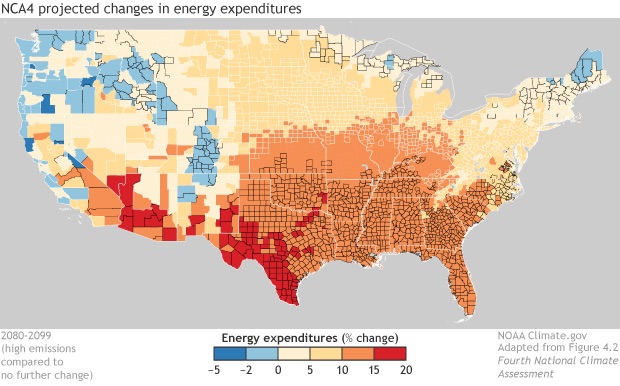
Rural communities are more vulnerable to the impacts of climate change for several reasons. First, rural residents have a lower income rate than their urban counterparts, leaving fewer resource to pay for amercement that might occur in the face of climatic events (Kumar 2021). Second, ascendant occupations in rural economies are more at-risk to the effects of climatic change. For example, rural areas have a college charge per unit of agronomics and recreation-based jobs leaving their economies susceptible to the impacts of weather events that touch on these sectors including drought which tin can increase energy costs for farmers on the plains or reduce tourism from skiing in the mountains. Third, these lower incomes and loftier-take a chance jobs exit rural areas dependent on government subsidies. As climate modify continues to increase the price of living in rural regions, these areas will proceed to be vulnerable if regime support cannot account for imbalances in increasing costs. Last, certain demographic factors of rural regions put them at increased risk following natural disasters. In particular, an aging population combined with widely dispersed communities makes information technology difficult for emergency responders to attain all those who demand assistance (Lal, Alvalapati and Mercer 2011).
The benefits of rural driven climate accommodation
Confronting the impacts of climate modify in rural areas has the protentional to address many of the factors that put these communities at-risk, especially in terms of economic vulnerability (Saha, Leslie-Bole and Cyrs 2021). For example, climate mitigation efforts that focus on land direction and restoration would provide jobs and funding opportunities to landowners in rural areas. In addition, the procurement of renewable energy infrastructure also as the remediation of out-of-use oil and gas wells provides additional sources of piece of work. An analysis done by the World Resource Institute finds that investing in these areas of climate mitigation policy could result in 260,000 new jobs in rural regions for at least five years and bring an added $21.seven billion to these communities annually over the aforementioned timeframe (Saha, Leslie-Bole and Cyrs 2021).
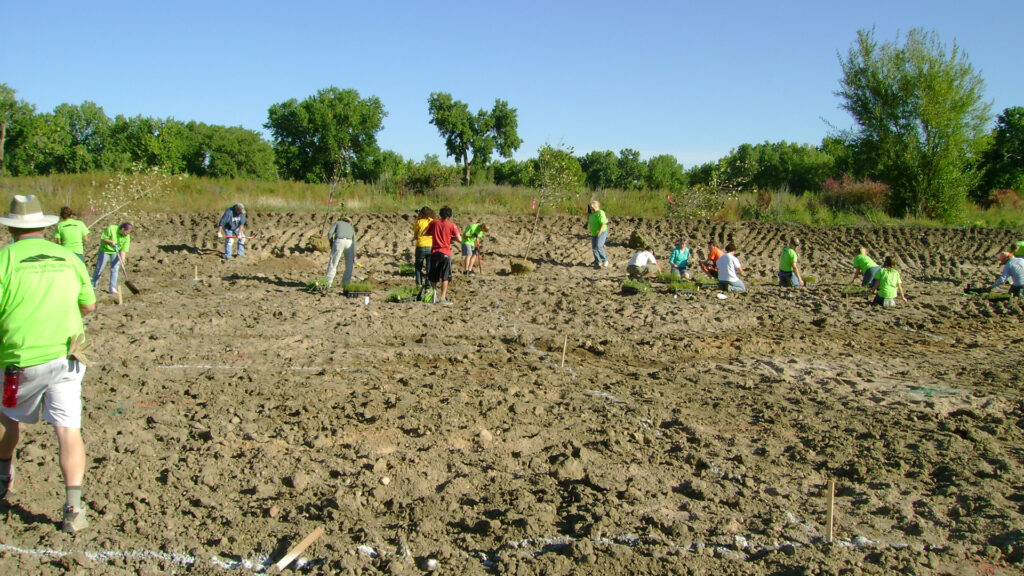
These mitigation efforts have the potential to provide dual benefits to rural communities by enhancing both the social and ecological health of these regions. While the economic advancements described above contribute to social welfare of the communities, these projects may also enhance the natural environment, thereby increasing the physical health of rural residents . Wood restoration can provide shade in hotter regions and a natural reprieve from the sun for vulnerable populations. Remediation of abandoned well sites has the potential to enhance water quality in the region and renewable energy can subtract the harsh furnishings of air pollution. Overall, investment in climate mitigation efforts can increase the quality of life in rural regions well into the future.
Challenges ahead
While rural communities have the opportunity to serve as a cornerstone of climate adaptation efforts in the United States, some challenges to success persist. Primarily, implementing climate policies that focus on rural communities requires the consent of the people. Unfortunately, nosotros know from survey research that environmental issues remain one of the most polarizing topics in the The states (Dunlap, McCright, and Yarosh 2016). This ways that individuals disagree about what to do about the weather more than any other topic of concern and these divisions tend to fall along party lines with Democrats more often than not supporting and Republicans opposing climate action. What makes this a challenge for rural communities is that these aforementioned divisions are evident geographically with rural regions trending red or Republican and thus opposed to many of the climate measures that might assist residents.
Still, the skillful matter nigh rules and trends is that there are oftentimes exceptions. A study conducted at Duke University constitute that a small bulk of rural residents practice in fact back up some climate action, overwhelmingly in the area of water quality protection (Bonnie, Diamond and Rowe 2020). This inquiry indicates that there is possibility for agreement and collaboration across geographic and political divides in the face of climate change. As a outcome, climate change presents a unique opportunity to come together in the face up of a mutual claiming and unite and include communities in ways they might not have been now or in the past. This, mayhap, tin exist a stride towards elevating voices and strengthening our republic overall.
Sources
Bonnie, R. Diamond, E. P., & Rowe, E. (2020). Understanding rural attitudes toward the environment and conservation in America. Nicholas Institute for Environmental Policy Solutions: Knuckles University.
Climate.gov. (2019). National Oceanic and Atmospheric Administration. https://www.climate.gov/media/10214
Cramer. (2016). The politics of resentment : rural consciousness in Wisconsin and the rise of Scott Walker . The Academy of Chicago Press.
Dunlap, McCright, A. Thou., & Yarosh, J. H. (2016). The Political Divide on Climate Alter: Partisan Polarization Widens in the U.S. Environment : Science and Policy for Sustainable Development , 58 (5), 4–23.
Kumar, C. (2021, March one). Rural Americans are the hereafter of the clean free energy economy – policy makers much catch up. The Hill. https://thehill.com/blogs/congress-weblog/energy-surround/541121-rural-americans-are-the-future-of-the-clean-free energy?rl=one
Lal, Alavalapati, J. R. R., & Mercer, Eastward. D. (2011). Socio-economical impacts of climatic change on rural United states. Mitigation and Adaptation Strategies for Global Change , xvi (seven), 819–844.
Saha, D., Leslie-Bole, H., & Cyrs, T. (2021, July 21). How climate activity can reboot economies in rural America. World Resources Constitute. https://www.wri.org/insights/climate-action-federal-investment-rural-america-us
THK Assembly, Inc. (n.d.) Fountain Creek restoration master plan and demonstration project. https://www.thkassoc.com/fountain-creek-restoration-master-programme
greenwoodfloo1970.blogspot.com
Source: https://sustainability.colostate.edu/humannature/climate-change-offers-opportunities-to-rural-communities/
0 Response to "What Is Rural America Doing to Mitigate Climate Change"
Post a Comment